Listen now by clicking your favorite podcast app below:
Could Your Body Be Trying to Tell You Something?
You've had the tests. You've tried changing your diet. You've researched your symptoms. Maybe you've even been told that everything looks normal.
But something still feels off.
What if understanding your health also means paying attention to what's happening in your emotional life?
In this episode of The Inner Script, Stephanie Baubie, NP welcomes Katie Beecher, a licensed professional counselor and medical and emotional intuitive with more than 35 years of experience, to explore the relationship between physical symptoms, emotional experiences, intuition, and healing.
Katie approaches her work differently from traditional healthcare practitioners. Before speaking with clients or even seeing their photographs, she creates detailed reports and symbolic paintings based on what she describes as intuitive information.
And Stephanie has experienced this process firsthand.
Having worked with Katie more than two years ago, Stephanie shares her own experience of the reading and how it helped her explore a deeper connection with her body.
What If Your Symptoms Aren't the Whole Story?
One of the biggest themes in this conversation is the tendency to focus exclusively on physical symptoms while overlooking other aspects of our lives.
Katie shares that many of her clients come to her after struggling with unexplained symptoms or feeling dissatisfied with the answers they've received.
Through her work, she often explores themes such as difficulty setting boundaries, perfectionism, emotional suppression, and the pressure women feel to take care of everyone else.
She and Stephanie discuss how these patterns may shape our relationship with our bodies and our experience of illness.
The conversation also explores Katie's spiritual interpretations of autoimmune conditions, POTS, MCAS, and other chronic symptoms. These interpretations are not established medical causes, but they open a broader discussion about self-awareness and the importance of considering emotional well-being alongside appropriate medical care.
Is It Your Intuition or Your Anxiety?
Have you ever had a gut feeling but couldn't tell whether it was intuition or fear?
Katie believes people often dismiss their internal experiences because they expect intuition to feel dramatic or unmistakable.
But she describes intuition as something that can be subtle: a thought, an image, a physical sensation, or a feeling that keeps returning.
Rather than obsessing over whether every feeling is intuitive, Katie encourages curiosity.
One of her favorite practices is surprisingly simple: writing a letter to your body.
By treating your body as something to communicate with rather than something to fight, she believes you can begin developing greater awareness of your needs, feelings, and thought patterns.
Why Feeling Better Isn't Always Simple
Stephanie and Katie also explore an uncomfortable question: Why can healing sometimes feel emotionally complicated?
Katie discusses how illness can change relationships, responsibilities, and expectations. For someone who has spent years caring for everyone else, being unwell may be the first time they've felt permitted to rest or say no.
Importantly, Katie emphasizes that this does not mean people cause their illnesses.
Instead, she encourages examining the circumstances surrounding illness with compassion rather than blame.
They also discuss body image, persistent weight changes, hormonal transitions, and the importance of finding movement that helps you feel connected to your body.
Katie shares her own unexpected journey into competitive pole dancing and how it transformed her relationship with strength, confidence, and body image after years of struggling with an eating disorder.
It's a reminder that reconnecting with your body doesn't always have to look like another wellness protocol.
Sometimes it can begin with doing something you never imagined yourself capable of.
The Small Practice Katie Wants You to Try
Toward the end of their conversation, Stephanie asks Katie what someone who feels stuck in their healing journey can begin doing right now.
Katie's answer isn't another supplement, test, or complicated routine.
It's noticing how you speak to yourself.
How often do you criticize your body? How frequently do you focus on what you dislike about yourself? And what might happen if you began replacing some of those thoughts with compassion?
You don't have to love everything about yourself overnight.
But you can begin changing the way you relate to yourself.
And that may be a meaningful place to start.
This episode is for you if…
You have persistent or unexplained symptoms and want to explore a broader perspective on well-being.
You struggle with anxiety, perfectionism, or trusting your intuition.
You want to feel more connected to your body instead of constantly trying to control or fix it.
Episode Timestamps
(00:00) Meet Katie Beecher
(01:20) Becoming a medical intuitive
(03:50) Symbolism and intuitive paintings
(06:45) Unexplained physical symptoms
(08:15) Learning to trust your body
(10:45) Intuition versus anxiety
(12:00) Emotional roots of symptoms
(14:45) Autoimmunity and self-criticism
(18:30) Weight gain and emotions
(21:45) Releasing stored emotions
(24:30) Movement and body confidence
(28:45) Learning to trust intuition
(31:50) Why healing feels difficult
(34:45) POTS, MCAS and sensitivity
(37:30) Perimenopause and hormones
(40:30) Changing negative thought patterns
Resources & Mentions
Autoimmune conditions and Hashimoto's thyroiditis
POTS and mast cell activation syndrome (MCAS)
Perimenopause, menopause, and hormone replacement therapy
Movement, embodiment, and pole dancing
Myofascial massage, Reiki, and acupuncture
Curious about a supplement Steph has mentioned in the episode?
If you’re looking for products Steph personally recommends in practice, you can browse her dispensary here: Stephanie’s Fullscript dispensary
Please consult your healthcare provider before starting any new supplement. Food, lifestyle, and nervous system support always come first.
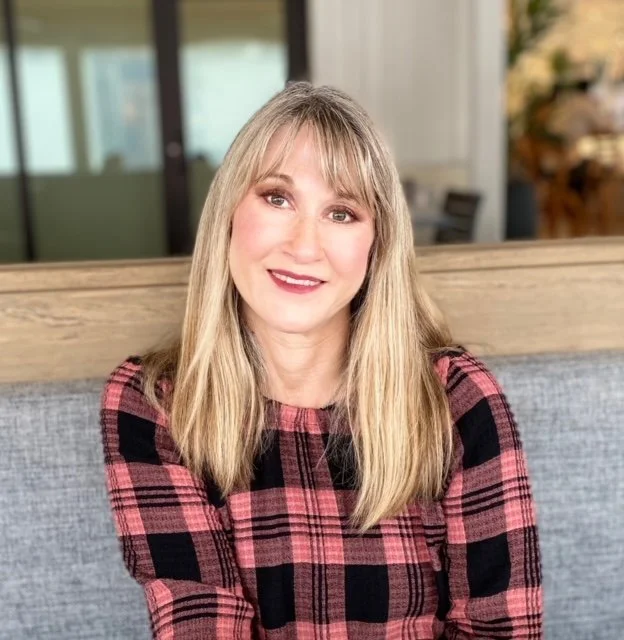
Meet Katie Beecher
Katie Beecher, MS, LPC is a licensed professional counselor and medical and emotional intuitive with more than 35 years of experience.
Her approach incorporates counseling, intuitive readings, and symbolic paintings to explore clients' physical, emotional, and spiritual experiences.
Katie has been featured in more than 200 media outlets, including Goop, Poosh, and Kora Organics, and has taught at the Omega Institute.
Connect with Don:
Website and readings: https://www.katiebeecher.com
Instagram: https://www.instagram.com/katiebeecher_medical_intuitive/
Book: Heal from Within: An Intuitive Guide to Wellness
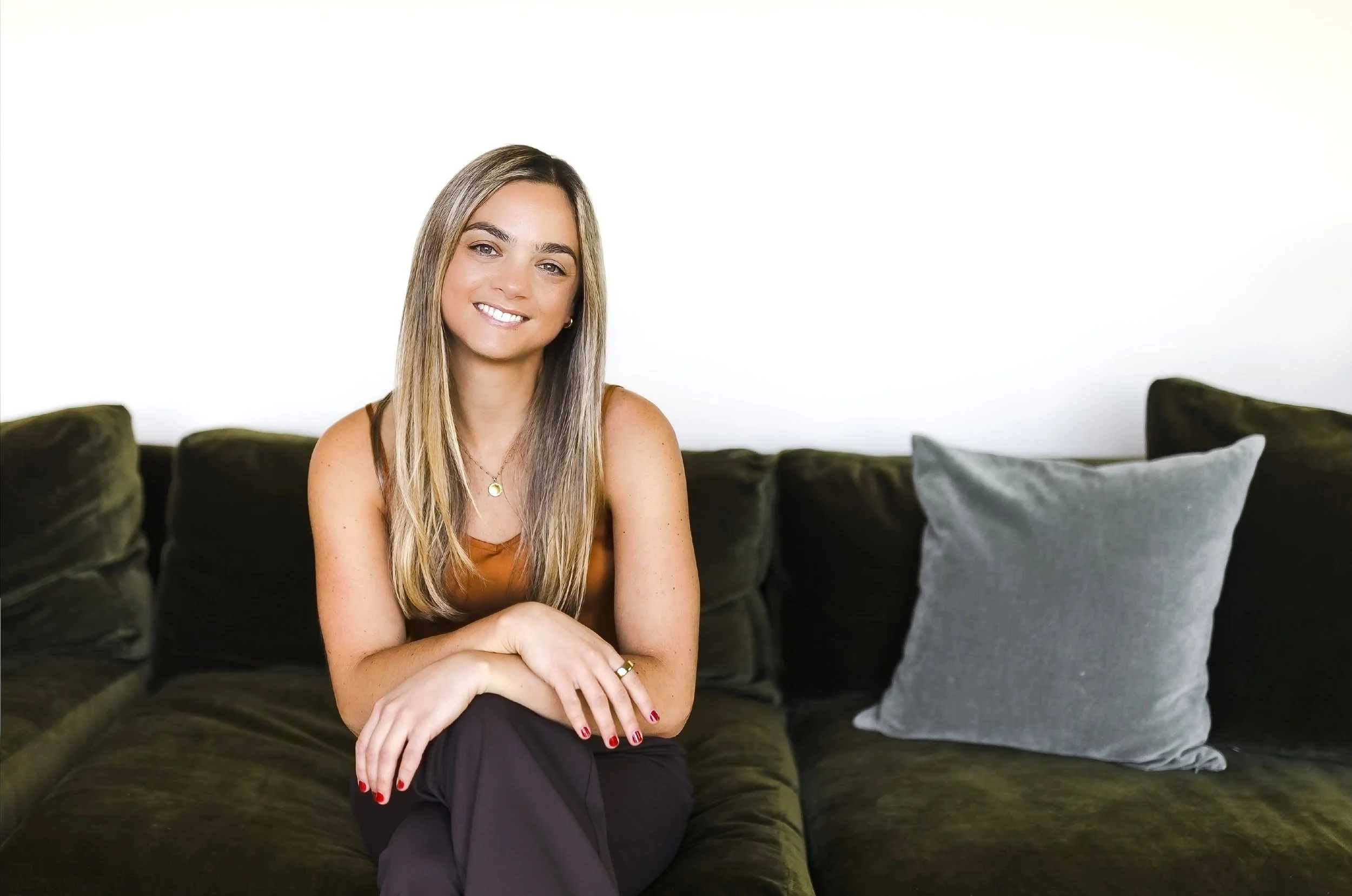
Meet Your Host
Stephanie Baubie, NP is an integrative nurse practitioner and the host of The Inner Script Podcast, where she explores the deeper stories behind health, healing, identity, and transformation. Through a blend of functional medicine, nervous system awareness, emotional insight, and honest conversation, Stephanie helps women better understand their bodies while questioning the narratives they’ve inherited about wellness, worth, and what it means to truly feel well.
On The Inner Script, Stephanie sits down with physicians, founders, thought leaders, and experts in women’s health, while also sharing solo reflections on the transitions and inner shifts that shape our lives.
Follow Steph on Instagram.
FAQs
What is medical intuition and how does Katie Beecher use it?
Katie describes medical intuition as receiving information about a person's physical, emotional, and spiritual experiences through impressions, images, sensations, and symbolism. She creates individualized reports and paintings before meeting her clients. This approach is not a scientifically validated medical diagnostic method.
Can emotional stress contribute to physical health symptoms?
Emotional stress can influence the body's stress response and contribute to symptoms such as sleep disturbances, digestive changes, and muscle tension. Katie and Stephanie also discuss spiritual interpretations of illness, which should be distinguished from established medical explanations.
How do I know whether I'm feeling intuition or anxiety?
Katie recommends approaching internal signals with curiosity rather than immediately categorizing them. Reflective writing may help you explore what you're feeling, while professional support can help when anxiety becomes persistent or overwhelming.
Why do some women feel disconnected from their bodies?
Stephanie and Katie discuss how chronic illness, perfectionism, negative body image, and difficult experiences can influence body awareness and self-trust. They explore movement, mindfulness, and self-compassion as possible ways to reconnect.
Can hormones affect mood and anxiety during perimenopause?
Yes. Hormonal changes can contribute to mood changes, anxiety, sleep disruption, and other symptoms during perimenopause. Katie and Stephanie discuss the importance of individualized care and recognizing the physical aspects of hormonal transitions.
What does Katie Beecher recommend for emotional healing?
Katie discusses journaling, recognizing emotions, movement, spending time outdoors, and bodywork as practices she personally values. She emphasizes exploring what feels supportive for each individual.
How can I stop being so critical of my body?
Katie suggests first noticing your negative thought patterns. Rather than forcing yourself to feel positive about everything, she encourages replacing some critical thoughts with more compassionate, realistic ones and acknowledging qualities you appreciate about yourself.
-
Everything shared here is for educational purposes and personal reflection only. Not medical advice. Always work with your own healthcare provider for individual care.
Stephanie Baubie: Hey everyone. Welcome back to The Inner Script. Today's guest is Katie Beers. She is a licensed professional counselor, medical and emotional intuitive with more than 35 years of experience. She has been featured in over 200 media outlets, including Goop, Poosh, and Kora Organics, and has taught a week-long workshop at the Omega Institute.
Katie's approach to her work is unique. Before ever speaking with a client or seeing a photograph, she creates a detailed physical, emotional, and spiritual report and a symbolic painting using only the person's name and age. She is the author of Heal from Within: An Intuitive Guide to Wellness, which offers a step-by-step process for developing your own intuition as a tool for healing.
The book draws on client stories and Katie's own recovery from bulimia, Lyme disease, and emotional illness. And I actually saw Katie over two years ago, so I can speak to her abilities, and I'm really excited to have you on. Thank you so much for coming on,
Katie.
Katherine Beecher, LPC: Thank you for inviting
Stephanie Baubie: Okay, so I kinda wanna start by asking about your why.
How did you go from a licensed counselor to medical intuitive?
Katherine Beecher, LPC: I've always worked really intuitively. Even as a counselor, I would always listen just to see what I was getting. I knew that I had guides that I connected to and intuition and things, which basically is all the same. You don't have to differentiate. But I always knew that I worked better when I just for things and information about my clients.
I didn't necessarily tell them at the time. I didn't advertise myself as an intuitive counselor, but it just sort of morphed into that. But I've always been interested in the body. I came pretty close to going to medical school, but unfortunately, I was not in good shape with bulimia, so that wouldn't have worked well.
But I've always had an interest in that. Just kind of over time, I started to recognize more and more intuitive gifts that were coming to me, and mediumship that I always had but didn't really know how to use properly. Then my mom got really sick, and it took me on a bit of a trajectory. I had to stop what I was doing and take care of her, and I ended up finding out about medical intuition.
Didn't know what it was, but just thought, "This sounds super cool." So I did a three-day workshop. As it turns out, I had a lot more abilities than I realized. I decided to give it a try, and I've been doing that for a long time.
Stephanie Baubie: That's so cool. When you're, like, getting an intuitive hit with a client, what are you seeing, hearing, feeling?
Katherine Beecher, LPC: We all get intuitive information in different ways. Most of us get it in ways that we're not even aware of. I see pictures of things in my head, and that might be a picture of the inside of their body. It might be a picture of them doing something as a child or now. If I'm doing mediumship, it might be a photograph of a loved one.
I see words in my head. I also get physical symptoms, so sometimes that's a little weird. Sometimes we'll start having them before I meet with a client, and I need to ask, "Is this really about my body or am I picking something up?" Sometimes even smells, sometimes dreams. The more that I've opened myself up to possibilities, the more information I get, and even through my paintings symbolically, which is a really fun way to get information because with words you can distort it or you can overthink it.
But with symbolism, you sort of have to let it come out and then interpret it
Stephanie Baubie: When you're doing the painting portion, can you explain a little bit about that and the symbolism? Because when you did mine, there was different colors. It was very much so where I was having symptoms is kind of where the activity was, I guess, lack for a better word, on the painting. So can you tell us a little bit more about what you're getting in that instance?
Katherine Beecher, LPC: I almost always do the painting after I do the report because it's a way to both get different information and verify what's in the report too. In terms of process, I start by usually by seeing a color to start with. I will often start at the top, like the head. All these paintings are different. It's a symbolic representation of a person, and it might be in figure form, it might be an animal, a plant, flower, insect, something like that.
I usually start at the head portion, but not always. They'll have me start with a and I really try not to interpret what I'm doing as I'm doing it and just kind of let the process flow. I'm really open to, for example, the line that I'm about to paint. Is it a solid line or a dotted line? What position are the hands in?
What colors are these things? How the colors change as I continue the painting. The positions of where things are. For example, the throat, if I get red in that area, that could mean a lot of things. It could mean actual throat issues. It could also mean a fear of yourself and having trouble or having a block letting things out.
So the different colors mean different things depending on where they are on the painting. Different things for different people too, obviously. But what I like is that it's a way to present difficult information without having to put it in words, and it can be less scary. I'm really careful about what I write in a report.
I don't know who's gonna see it. I don't know how people are going to take it, especially if I'm picking up an abuse or something like that. But if I can make red or some other color around that issue, for example, then people always know. When I explain, people are like, "Yep, okay, I know exactly what that is."
It's a less scary way to kinda talk about things that they may have never mentioned before, like sexual abuse. I might be the first one that they ever told, but them seeing it there being, "Okay, she already knows," so it's not as weird or scary to bring up. It's a really nice thing, and people really like the paintings.
They're fun and colorful and pretty profound, though.
Stephanie Baubie: Yeah, 'cause you can also kind of interpret your own way in a sense. At least for me, it kind of allowed me to develop or deepen my own intuition into my body. I mean, all of us are capable of doing that. We just sometimes lack the tools to do it
Katherine Beecher, LPC: And I always ask, when you look at this, what does this mean to you? What are you getting from this too? Because it's not just what I have to say. I want to help people strengthen their intuition and connections
Stephanie Baubie: What are some common patterns you see when people come to see you? You see a lot of clients, but do you see kind of underlying threads or themes with certain individuals?
Katherine Beecher, LPC: It really is a wide variety of things. It's often... I say the two most common are people who have symptoms, they haven't been able to get answers in terms of root causes, or they've just gotten physical diagnoses and they want to know more about the and spiritual impact. Sometimes people already know their diagnosis, but they're not getting better, so they want more ways to heal and learn about themselves.
There's a lot of themes around boundary setting, especially as women. It's changing, thankfully, but we're not really encouraged to speak up and talk about feelings. And I think people have with emotional regulation in general, so they get angry or hurt, but then there's a fear of confrontation, or they don't really know how to bring it up, so there's a lot of passive-aggressive stuff or symptoms that affect them.
So it's helping with communication and boundaries. One of my specialties is eating disorders and neurodivergence and Ehlers-Danlos, which is a hypermobility disorder. Lots of anxiety, health anxiety and different kinds of anxiety that we can all relate to. It really is a wide variety. And some people, too, which is very cool, they want to learn more about their own intuition and their own psychic gifts and how to trust them more and develop them more.
So that's a really fun thing to be able to teach people.
Stephanie Baubie: How do you start teaching people to kind of tune in? Because I think with kind of our current healthcare model is we're trying to get a lot of external input, and it doesn't always feel aligned in the moment. What's your process of helping somebody connect with their body?
Katherine Beecher, LPC: Doing the report beforehand and sending it to them is helpful. The way that my chart is set up is by chakras, so sections of the body basically. By pointing out different symptoms and the spiritual and emotional connection to those, it starts getting people thinking about, "I have this pain here, and I thought it was just from an injury," or, "I thought it was just this, but these are the emotional and things connected to this part of the body.
Maybe there's more of a message here than I realize." I teach people how to listen to their bodies and listen to their symptoms. In my book, and I teach people this during readings too, one of my favorite techniques is writing to your intuition, writing to your body, and writing to them as friends so you don't feel like you have to fight it or you're always fighting yourself or that your body's your enemy.
Writing to it, see what you hear, responding to that, writing back, having a written conversation. It's very intense. You don't have to do it for a long time. But I have to say that that has been one of my number one healing tools, and then also a really effective way that other people are also learning about that.
It's a little weird to start with, but it is really effective, and it's a way of meditating too. It's sort of a mindfulness meditation because it forces you to stop what you're doing. We're all running around and distracted, and it forces you to just stop and look at the piece of paper, and you're using your body to write, so you will get more signals from your body.
And also, I hear a lot people say, "My intuition is there, but I don't know how to trust it. I don't know whether what I'm hearing is my or fear or something I'm just making up." And what I like to tell people is it doesn't really matter where the information is coming from. When I'm doing my reports or in a reading with somebody, it's not like I get struck by lightning.
Sometimes it's a subtle feeling. Sometimes it's a subtle voice. Sometimes it's more in my face. But it doesn't have to feel like an out-of-body experience for you to get intuitive information. Sometimes you may hear things about other people, and maybe that gets brought up because it relates to you in some way.
Even when you're doing the wr- an exercise, if you hear things that don't relate to what you wrote about at all, that's okay because you're just hearing things that you didn't even know you needed to know. And then fear is an interesting one because I like to look at anxiety as a tool instead of a threat because without anxiety, we would be dead.
We would have no warning system. You would not know to get out of the way of a moving car or to get away from somebody who doesn't feel safe. All of those are anxieties. So listen to it as a tool. Even something like health anxiety, which I'm actually starting a second book about. I've had people say, "I just can't get this out of my mind, and I'm obsessed with it."
And it's like, well, then those same peo- people I work with, and it turns out that they have underlying conditions that they didn't really know were there, but they knew something was off. And so there is a balance between listening and not feeling overwhelmed by it and being obsessed by it. But those fears, if you will, could be really important warnings that cause you to do things like talk to me or do more spiritual work or go to a certain
Stephanie Baubie: Can you comment on this overlap between there's physical causes, emotional, spiritual, mental? How do we break that down? I mean, there's so much overlap at the end of the day, but how can we get people to fully grasp the different causes and understand the emotional root as well?
Katherine Beecher, LPC: The medical model has been look at the physical and Band-Aid and don't even get to the root causes, and then insurance companies allow doctors to spend five minutes with you. And we are a take a pill culture, let's face it. Not always easy, but easier fix. I bring up that when I was doing a report, I heard things about how difficult your marriage is or how you have trouble speaking up or sharing your feelings and you're in a lot of pain, or that you absolutely hate your job, people don't realize how much that affects your physical health.
Even when you're listening to intuition and your intuition is telling you over and over again you are unhappy, you need to make a change, it's overwhelming, and those changes don't happen overnight, so we tend to push that Or one of my favorites is when I feel better physically or when I lose weight, then I will leave this marriage or I will look for another job or I'll move.
It's like you can't heal in an unhealthy environment. Yes, it's important to do what you can physically. It's really But if you don't solve the emotional and spiritual issues, then you may recover and then you're gonna get something else, or you may never recover. I think people are much, much, much more open to it. People have been talking about it and it's more on social media. And Carl Jung, who was a genius, he was one of the first people to talk about it, and now everybody's kind of piggybacking on that. But even trauma, people think, "Oh, well, that happened 20 years ago or 30 years ago, I should be over it." And it doesn't necessarily mean that you are, and your body s- does store those things or you get triggers and things like that.
I think it takes a lot of courage to be open to looking at spiritual and emotional factors in your life. That should be more recognized 'cause I work with a lot of people who are very hard on and are perfectionistic and, I mean, I, hey, I can be guilty of the same. Dear God. But a little bit more self-acceptance and self-love and just giving yourself some grace and realizing things don't happen overnight, and that there are a lot of factors to look at, and it's all okay.
Stephanie Baubie: I mean, there's been such a rise in autoimmune disorders. We're exposed to toxins in our food, water, air, you name it, it's there, which I'm sure is a cause of that. There's also such an emotional root to it as well. Like, when I was going through a really stressful period of time, I developed Hashimoto's.
Thyroid antibodies were off the charts, and it was literally because I was in an emotionally unsafe and I felt like it was all my throat chakra. I mean, you picked up on that. So eventually, that went away after getting out of that situation, dealing with the emotional aspect of it. When you're seeing autoimmune disorders or getting pings with that with a client, are there specific emotions you see with different autoimmune disorders that are being
Katherine Beecher, LPC: For sure. Spiritually, the simplistic view of autoimmune is self-attack. Your immune system's literally attacking itself. One of the first things that I like to bring up is how hard are you on yourself? Do you immediately look in the mirror and see things you hate? Which, again, we can all do, right? Are you able to name anything that you like about yourself?
It's really sad when people can't. Do you give yourself a break? Are you living with shame that you're not even aware of, or guilt, or do you feel like you can be your true self, or do you have to walk around masking? So many people do, and it's not just neurodivergence. People are afraid to be themselves, and it's so sad.
So when you're literally pushing down who you are and hiding it from the rest of the world, there's an unconscious belief that there's something wrong with you, that you're not gonna be loved or accepted just by being yourself. It makes that that would transfer to the immune system or other things, but to make your body literally attack itself because you think that you are flawed.
The specific origins for each person are different, but the overwhelming theme is certainly there. It is sad, and definitely all of the chemicals...
Stephanie Baubie: Contribute to it
Katherine Beecher, LPC: you can't ignore that. Again, like you said, looking at physical, emotional and spiritual
Stephanie Baubie: I'm a nurse practitioner, and I see that in my patients as well, where the more I've gone on my own healing journey, I've deepened my intuition, and I get these hits of my patients where I'm like, I just feel like they're repressing a part of themselves. They come in with a rash, and it's like I'm ruling out all physical causes, and I can feel the repressed anger in them, and it's hard to kind of have that conversation with them.
But it's something in them. They're repressing some type of, some form of their identity, and it's like that is a personal attack on their
body
Katherine Beecher, LPC: I think the best practitioners in general are the most medically intuitive. And I've had conversations with doctors, nurses, whatever, and some of them will just say, "Oh no, it's just experience." I'm like, "Nah, it's more than that." As a person is a more functional thinker or thinker who is in the traditional medical world, I think that it's really important that things like what you just mentioned are brought up because it gets people thinking.
And I've had a lot of practitioners, maybe therapists, be like, I don't know how to introduce intuition into this. I don't know how to let people know that I'm also using intuition. Is it ethical? What are people gonna think?" But you don't have to advertise yourself as a medically intuitive nurse practitioner unless you want to, which is cool.
But if you were to bring up what you said, I'm feeling like there's something else. Rashes can often have an emotional component. Is there something going on in your life? Or when did this start? What was going on in your life around when this started? People would really welcome that and those kind of discussions
Stephanie Baubie: For sure. And something else I've seen a lot of, especially in women, is this kind of persistent weight gain, and it's more of this, like, puffy, bloated feeling, which, I mean, it could be hormonal imbalances. Do you see a lot of that? It's terrible. I dealt with that myself, and it was just completely emotionally rooted, but that can be really hard to grasp and very frustrating, so I'm kinda curious the emotional root of
it
Katherine Beecher, LPC: All the time, hence why GLPs are so popular. The older you get, the more complicated it is because, as you know as a nurse practitioner, perimenopause and menopause totally screw with your hormones, which create inflammation and mess with your blood sugar. And you can be the most active person in the world and, I don't know, look at a carbohydrate and gain weight, and then you can't get the weight off, and you're like, "What the actual hell?"
Because then you feel awful and you feel like you're losing your mind. Weight is so interesting because a lot of people have heard about weight as a barrier between you and other people. The bigger you are, the more you can... But it can also be about taking up space, being seen and heard when you're not comfortable doing it with your voice, about being bigger and stronger.
There's so many interesting things about weight. It also is very grounding because if you weigh more, there's more gravity, so it pushes you down to the earth so you're grounded, so it's harder to float around. Weight is super fascinating, and GLPs are such an interesting topic, and they're being used for so many things now, including inflammation.
But one of the biggest populations using them off-label, 'cause we know we can go online and get them from anyone right now, is perimenopausal and menopausal women who are legitimately having weight trouble. Even if it's not obesity, if it's that 10 pounds that you can't get off or something, I'm not saying that's who you go on GLPs for, but it's a big market in that population.
And weight loss is also interesting because some people fear it. You're more exposed. You're more attractive. Are you going to get attention that you don't know what to do with? There's a fear, emotional fear sometimes, of losing weight. That just complicates everything, too. Like, my partner likes me here.
If I lose weight, what is my partner gonna... Like, there's just so many things attached to it, including when you get into, like, sexual abuse and eating disorders and all the things. So it's a super fascinating topic.
Stephanie Baubie: It's interesting because I think a lot of women can hold it in their, like, hips, thighs. Again, it could be hormonal imbalance, but it's also those are, like, kind of the ways your body is protecting you in a sense too. At least that was for me. I was very ungrounded. Because once I started grounding myself, it just went
away
Katherine Beecher, LPC: Mother Earth, female power, female energy, allowing Mother Earth to protect you and connect. When we ground, we also become more mindful and more present instead of being in our heads floating around somewhere, which is a really valid trauma response, but it doesn't always serve us. But being present is scary 'cause you have to feel things, but if you feel them, then you can deal with them, and then you need the weight less as a protective agent
Stephanie Baubie: So what are some remedies you recommend for kind of releasing the emotions? Obviously, you gotta feel them to release them, but are there specific, whether it's like somatic healing or some type of nervous system regulation that you recommend for some of these
things?
Katherine Beecher, LPC: Honestly, the written technique is one of my very favorite things. You can use that for everything. Really working on accepting and recognizing your feelings. Now, I've been doing this forever, done therapy forever, done all the things. It is still difficult sometimes for me to recognize what I'm feeling and why.
So I just found out, say, from my agent that we're gonna work on my proposal for my second book. Okay. So my go-to was getting anxious, and I'm like, thank God for my husband, 'cause I'm like, "Okay, what am I anxious about?" 'Cause it's usually multiple things, and then it's all over your head, and then throw ADD in there, it's great.
So just recognizing that the feeling was anxiety, and then being able to label things that was related to, so that then I could address those specific things instead of pushing it down, being like, "Oh, there's something wrong with you if you're anxious. You're weak. Stop it. Knock it off." So allowing and accepting.
And then one of my very, very favorite ways to release emotion is movement. If I did not do my pole stuff and walk and out in the garden, being outside in nature, you don't have to be overthinking or thinking or all the time. It's not good for you. So that physical release of energy, that to me is invaluable.
And then after you do that, you're usually more clear and calmer so that then you can process some of that stuff that's there in a different way. I also come to really love myofascial massage work. It's magical. I have Ehlers-Danlos, which is connective tissue disorder thing, but also injuries and whatever.
For people who don't know, the fascia's a web that goes around the whole body, and it stores emotions, but it also very easily gets twisted and moved and knocked around and tight, and everything is connected. PT is great and stuff, but they're only allowed to work on one part of the body at a time.
Myofascial massage, they do your whole body, and I can go in with an injury, and it's fixed that day. But it's also being able to allow really old stuff to kind of, again, come out, be released without having to process every bit of it. I mean, there's so many good techniques and energy healing, and I'm a Reiki master, and a lot of it is what works for you, acupuncture and things.
But those are some of my favorites.
Stephanie Baubie: And you mentioned pole dancing, right? And I'm glad you said that because there's a level of which I think is really important for women to hear because I think we've lost a sense of embodiment, of like tapping into our feminine energy and moving the way we want. And so when you're doing pole dancing, you have to be in your body, which requires so much presence.
I think that's such an added layer to this conversation of getting comfortable in your body and just being in it, especially for like sexual function, libido. I could go on and on about that. Pleasure
Katherine Beecher, LPC: And also, somebody like me who has an eating disorder history, my family jokes that 10 years ago or whatever, I wouldn't even put on a bathing suit, and I actually weighed less than I do now because I've put on a lot of muscle. And now I'm in national competitions, and you have to wear a bikini basically or you will die because you can't stick to the pole.
It's a safety issue. There's a lot of styles and things like that. Mine tends to be more sporty than sexy, but that's a cool part, too. I have an Instagram account for my pole stuff to keep track and to hook up with other pole people, but they just laugh at me because they're like, "Yeah, look at you up there in your bathing suit basically doing all this stuff."
And I feel better about my body than I ever have. I'm stronger than I've ever been. If you had told me even 20, 30 years ago that I could do the stuff I'm doing, I'd be like, "Yeah, that's hysterical. There's no way." Just like you said, being able to be in my body, especially when you're up 10, 12 feet and you have to be in your body and focused and aware of what your body's doing or you will fall on your head.
It's not good. And even getting up and being in competition performing, like that's not my safe space, but it's a challenge, so I've made myself do that. But yeah, it's literally been so life-changing and positive. I recommend it for everyone.
Stephanie Baubie: You know, and if people are scared to do pole dancing, I think even, like, Pilates, because you have to be so in tune. Okay, where's my hip? Strengthening your core and all of that, that's, like, a workout where you have to be so present and understand how your body moves. So I just wanted to emphasize that because I think that's where a lot of women can get stuck because they're still trying to control their body in a way. That's a whole other thing I kinda wanna ask you about because for me, that's when I noticed the biggest changes, when I stopped controlling it and looked at it as a way of like, "Okay, how can I work with this?" What are some ways to give up control and trying to control our body and viewing it as malfunction when it's just saying the honest thing?
Katherine Beecher, LPC: And it kind of relates back to pole too, because people will say, "Well, I have to build up strength," or, "I don't have the upper body strength," or, "I could never do that." When I started, I couldn't do anything at all. I couldn't even lift myself up. You have to start somewhere, and you're gonna not be able to do things, and it's gonna hurt when you start, and you're gonna be sore.
You start with other beginners, hopefully if you're at a good studio, right? And you build up strength, you build up skill, you build up just like with anything else that you do. I always tell people, "If you got a skateboard tomorrow, would you expect yourself to be able to ride it perfectly?" And they're like, "Well, no."
And I'm like, "Then why would you expect to go for the first time and do anything else perfectly?" It just doesn't work that way. Being with ourselves, more patient, less perfectionistic, less caring about what other people freaking think. Because everyone, wherever you are, is struggling with something about themselves, or something they don't like about themselves.
They're preoccupied about something that's going on in their life. They care far more about their own lives than they do about yours. We always think, "What are people gonna think?" And if people are judgmental of you, then that is their problem and their deficit. It's not about you. But yeah, so much of it is just, "Oh my God, what are people gonna think?"
Or stigma about pole. It is a sport. Yes, it's in other venues, but it's also a sport, and if you don't like it, then don't follow me, or don't look at my pictures. I don't know what to tell you
Stephanie Baubie: I think pole, that's such a cool thing to do. I haven't taken a class, but I've thought about doing it. I just don't know where one is. It's just getting over the fear of it, but I'm really glad you brought up that aspect of it. I just want more women feel embodied, 'cause I feel like because of chronic illness, we become so disconnected to ourselves.
Kind of going into that a little bit more, backtracking just a little bit, you mentioned your clients have issues naming their intuition, anxiety. How do we decipher between the two? I know you said if, we'd be dead if we didn't have anxiety, but how do we trust
it?
Katherine Beecher, LPC: I think it's important not to overthink, not to be too hard on yourself. When I am doing the written exercise or listening to intuition, I don't put limits on the information I receive. I basically just say, "Is there anything you want to tell me?" I do ask specific questions, but I'm just open to whatever comes.
I've been doing this a long time, but I've learned that that information... So let's say you get a picture in your head of a pink elephant. Well, that's really symbolic, isn't it? I just thought of that as I said it. So look, go on Google and Google pink elephant. Well, a lot of the time it's the elephant in the room that everyone can see that you can't, or elephants are kind of gentle giants, and there's so much symbolism with everything.
So I try to just be open, and if it's a fear that comes up, then I'm like, "Okay, that's something that I need to pay attention to, to address. Maybe I didn't realize that that was even on my mind. Maybe that's why I haven't been sleeping well." I think where people get into trouble too is when they use tools that are just yes and no.
I like pendulums, I like cards and all that stuff, but you can get into trouble overusing them or depending on that or just getting yes or no answers, because then you may base what you do on that yes or no, and then you do something, and maybe that's where it doesn't feel like it's always accurate.
Those outside tools should be just tools. It shouldn't take the place of your own intuition. Sometimes, like dreams, for example, the most important ones are the scary ones. Those get your attention for a reason. You know, in my book it talks about ways to interpret using Jungian psychology methods and things.
But yeah, sometimes the scariest stuff is the most important thing to pay attention to
Stephanie Baubie: With dreams, do you do dream analysis as well? Okay. Oh my gosh, that's a can of worms. I could ask so many questions
Katherine Beecher, LPC: It's so cool and it's so individualized and you can get so detailed. Yeah, it's one of my most fun things to do with people 'cause they're like, "I never would've put all these things
Stephanie Baubie: Oh my gosh, because like everyone has probably had that dream where their teeth are falling out, for instance. But that means something different for everyone
Katherine Beecher, LPC: Yeah, I mean, you can take a theme of being chased or something, and could be an indication that you don't feel safe or that... But, like, why? What are you being chased by? Does that remind you of anything? What is this circumstance, and are you being chased by thoughts in your own head, or by something external, or something in the past?
So there's so many places you can take it
Stephanie Baubie: Well, I might need to have you come back on and we can do a whole thing on
that
Katherine Beecher, LPC: We could do that
Stephanie Baubie: there's vivid dreamers out there. I've actually heard that a lot in patients where they're like, "Just dream so vividly and then when I wake up I don't feel rested." They're definitely processing something because emotions take
Katherine Beecher, LPC: And I also believe that we can go to other places in our dreams. I think we do fly around and go to different worlds or things or quantum physics stuff. Yeah, it's neat
Stephanie Baubie: What are some of the reasons you see where people maybe aren't getting better or there's some resistance to their healing?
Katherine Beecher, LPC: There's a few themes. Sometimes it's actually a fear of healing in that if you're feeling really well, then there are less obstacles to you doing scary things, and your scary thing might be different from my scary thing. But if your scary thing is leaving a bad relationship and going out on your own, and there's a lot of scary things about that, being sick can prevent you from even getting out of bed.
I am not saying people cause their illness. That's not what I'm saying. But there are things that keep us in certain mindsets. Even pain, for example. Pain can prevent you from doing all sorts of things, including moving, including going on trips, including talking to different people or trying new activities.
I can't do pool because my shoulder hurts, but it's really that you have such fear about exposing your body. I think that from a physical aspect, there's not a lot of recognition of true root causes and things like ... I don't want to piss anyone off, but I really don't love the fibromyalgia diagnosis. The symptoms are
Right? The symptoms are real, but every single I have ever met or worked with, including myself, who's gotten that diagnosis has had root causes that explain the symptoms. Therefore, they don't meet the criteria for fibromyalgia. There's not a lot of looking at emotional, physical, spiritual root causes, a lot of testing for things like Lyme or There's so many different things, and I hear this a lot. Mostly women who've spent their whole life taking care of everybody else. Maybe that's what they perceive as their identity, or that's how they've gotten attention or approval. It's exhausting, and they're tired of it, but they don't really know how to get out of that cycle.
Their body gets sick. It breaks down. It makes them tired. It makes them stop being able to do things. Maybe you get dizzy, and you physically have to sit down. You can't drive a car. Well, you know what? The people in your life that you were doing stuff for suddenly have to take care of themselves. Hmm, quite a concept.
That could be a reason for illness. It can also get in the way of healing because maybe you don't feel empowered enough to use your voice and take care of yourself, but this illness that's pretty inconvenient and awful is also like, "Huh, this is kind of nice having an excuse to say no." So many things.
Stephanie Baubie: What are your thoughts? 'Cause something I've seen way in, like more and more frequently are things like POTS, histamine intolerance, MCAS or mast cell activation syndrome. I think you made a post about MCAS recently. What are your thoughts on that? 'Cause it's like every little thing kind of causes a flare, and they're sensitive to it, and it's 100% real, 1000%, but there's also...
There's gotta be an emotional or control aspect to it as well
Katherine Beecher, LPC: I mean, definitely we are bombarded with chemicals and things all over the place, right? That totally doesn't help. And then, uh, with perimenopause and menopause, less hormones make us more sensitive. And then being empathic and sensitive, which I think there are more and more of us, more of us being born, more of us recognizing it and not making excuses for it anymore.
POTS is basically you're dizzy, so you're out of your head. You're not in your body. You're out here somewhere. It's very difficult to pay attention because maybe you have too many things to pay attention to, and you need to focus more on you, center more on you. The histamine stuff and the MCAT stuff, spiritually, it's these things that are literally bugging you and irritating you.
And so you have to think about what or who is bothering you and irritating you. Are you attending to it? Are you pushing it down? Do you feel empowered enough to do something about it? I think there's a healthy aspect to it in that we are recognizing more and more that things are irritating and things bother us, and putting up with it less.
When you have these symptoms that can be highly disruptive, you have to make changes. You have to take better care of yourself or take care of yourself, or you have to listen more. You have to prioritize yourself more. So yes, the symptoms are super annoying and can be debilitating, but they can also make you take action in a way that you wouldn't have to if you did not have those
Stephanie Baubie: Yeah, and it also, there is a level of kinda requiring you to slow down in a sense. Something is maybe taking your energy, like a job, a relationship, whatever, that maybe shouldn't, but it's kind of, okay, you need to take that energy and kind of put it back in your own cup. That's what I feel a ton with some of these individuals.
Katherine Beecher, LPC: And also, you hear about people even, I don't know, my generation b- before, you know, who stayed in jobs for 20, 30 years that they hated or weren't treated well or weren't paid adequately or, especially women, and they just pushed that all down. And now we're recognizing more and more that this is irritating.
It's not okay. Allowing yourself to be irritated, there's some power in that
Stephanie Baubie: I will even ask them, I'm like, "Have you thought about getting a new job?" Just having that option, just put- planting a seed, I think is helpful. It's not that they're gonna go quit tomorrow without a plan, but I just think knowing that is an option can be helpful and maybe a little bit freeing. A few questions before we close, but I did wanna ask you about, a little bit about perimenopause and menopause.
It's getting a ton more attention now. We're finally getting caught up to the research, and HRT is finally getting prescribed for people. But do you think perimenopause was always this debilitating, just didn't get the recognition, or do you think there's other things that have maybe influenced how it's gotten worse for women, if that's the case?
Katherine Beecher, LPC: I think it's always been this way. It's always been debilitating. There's always been all these symptoms that would just, I mean, hello, fibromyalgia label. I think it's always been there. I think women's health has not been prioritized. They don't put funding into it. It's just, "Oh, you're old now, and you have less hormones, so suck it up."
Well, no, I'm not going to. We don't have to. To me, it's a quality-of-life issue. I'm 61, and my doctor, I don't know, a couple years ago, she was like, "You know, you've been on HRT for quite a long time now. We should probably talk about you getting off of it." And I said, "You're gonna take it out of my cold, dead hands."
And she started laughing, and I'm like, "Oh, you think I'm kidding? If you won't give it to me, I will find a place to get it. I don't care if it's on some street somewhere." And she's like, "Okay, message heard." Why should I have to feel like crap because my body doesn't make the same amount of hormones, and there's tools out there.
Even the MCAT stuff, the less hormones we have, that seems to equate. And thank God there's more and more information. What I've learned about it for myself, too, is that the needs and doses change as we get older. isn't constant, and my symptoms haven't been constant. I've been in menopause since I was 50.
I'm still making adjustments to hormones to figure out what's optimal for me and different dosing patterns and delivery methods. So it's really, really individual for each person, and it's not just that you stop bleeding
Stephanie Baubie: Again, like I'm not in perimenopause or menopause, but I've dealt with like hormonal imbalances. I wasn't producing enough progesterone in my luteal phase. It was the worst thing I have ever experienced. You cannot control yourself, your emotions, your body. It's like out of body experience. I just wanna emphasize that
Katherine Beecher, LPC: No, and as a person with, it's called PMOS now, but you know, polycystic ovary syndrome, I mean, my hormones have been whacked out since I was freaking 12, and I didn't know why. But oh my God, the issues that caused emotionally, physically, and spiritually, it's real
Stephanie Baubie: Well, I'm glad we touched on that a little bit. So I hope people feel validated. Hormone imbalance and not producing hormones, you cannot separate mood from that. It's physiological. It's not just psychological. So want to emphasize that for sure
Katherine Beecher, LPC: Postpartum is not a mental health issue, it's a hormone issue
Stephanie Baubie: I just made an episode about that because of the Lindsay Clancy trial, and I did a deep dive on that. So
Katherine Beecher, LPC: It's preventable and
Stephanie Baubie: that's why not everybody with postpartum depression or psychosis, they didn't have an underlying mental health disorder before because it's hello.
Katherine Beecher, LPC: Exactly. Your hormones
Stephanie Baubie: So one more question before we close. If someone feels stuck in their healing, what is one small practice they could start this week?
Katherine Beecher, LPC: I think one of the most healing things that you can do is recognize your thought patterns. Recognize how often you criticize yourself or have negative thoughts about yourself, and then by recognizing it, you can then do a little experiment and maybe try, next time you have one, to substitute it for something positive.
It doesn't mean you're instantly gonna like the cellulite on your thighs or whatever the hell, but think, "Okay, I can not be in love with that, but I like this about myself," or, "I'm good at this," or, "I'm proud of myself for this." So those thoughts, they get into your body and into your mind, and we don't have to be perfect to be lovable or
Stephanie Baubie: And it's owning that, and it's okay to be human, not live perfectly. So optimization culture has really, I think, done a little bit of harm, dare I say
Katherine Beecher, LPC: I mean, I can say I work with people from all over the world, all walks of life, celebrities, everyone has insecurities, everyone has problems, everyone has things that they're, don't like about themselves, and appearances are really, really
Stephanie Baubie: Of course. Instagram's always the highlight reel. Where can people find you, book a reading, buy your book, all the things?
Katherine Beecher, LPC: The first place to go is my website, which is katiebeacher.com, and from there you can book a reading. There's links to my books everywhere, but there's links on there or Amazon, the normal, regular places. I am on Instagram, it's Katie Beach, Medical Intuitive, and Facebook, and all those other places.
Stephanie Baubie: Perfect. Well, thank you so much for coming on, Katie. It was such a good conversation, and I feel like it's really gonna resonate with people. And so people, please go buy Katie's book. I have it. It's awesome. Taught me a lot of good tools to tune in and follow her on Instagram, do a reading, all the things.
I'm doing it all. And I will chat with you guys next
Stephanie Baubie: If you want a little more Inner Script between episodes, come hang out with me on Substack. I'm sharing more of what I'm thinking about and what I'm learning on this journey. It's free to subscribe. Link is in the show notes
Disclaimer
Everything shared in this episode is for educational purposes and personal reflection only. It is not medical advice. Always work with your own healthcare provider for individual care.
We sometimes include links to products and services we find interesting. These may or may not be affiliate links. Thanks for your support.
Podcast production by Jamie Brooke.
